
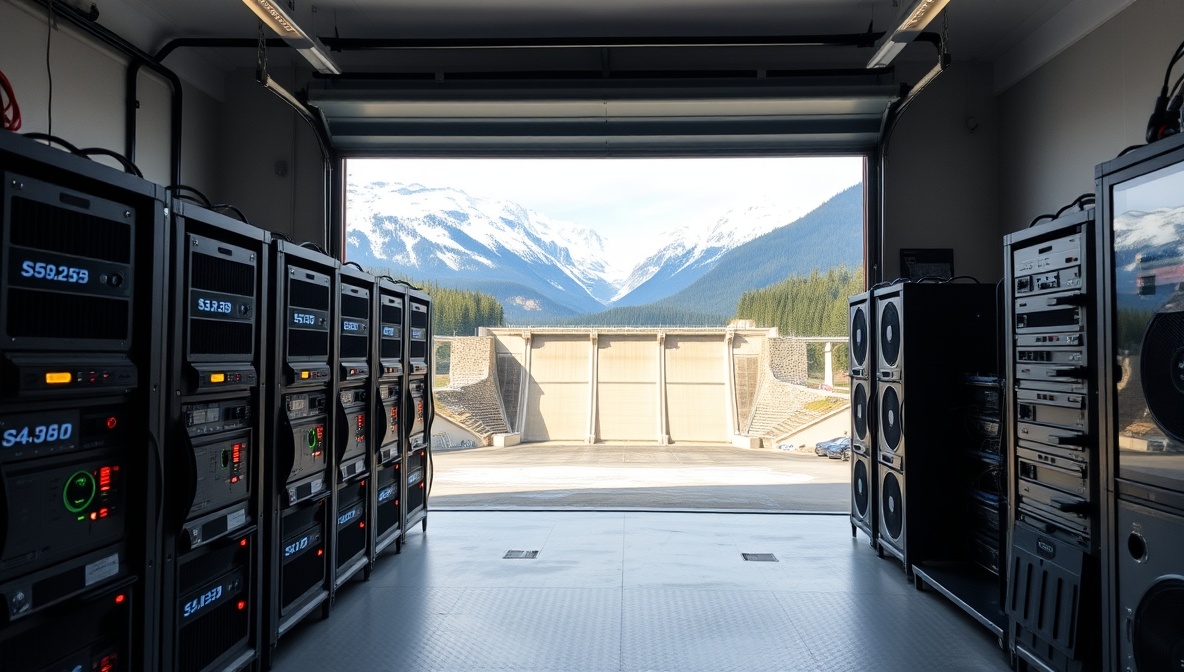
BC Hydro Hydroelectric Power
BC Hydro generates over 85% of its electricity from hydroelectric dams — the largest being the W.A.C. Bennett Dam in northern BC. This makes BC's grid among the lowest-carbon in North America, and electricity rates for residential and small commercial users are competitive by Canadian standards.
85%+ hydro generationMild Climate
Vancouver Island's coastal climate moderates temperatures year-round. ASIC miners run hot — they require constant cooling. In locations with mild winters and cool summers, passive or semi-passive cooling reduces the overhead dramatically compared to operations in Alberta's continental temperature extremes.
Year-round moderationComox Valley Land Costs
The Comox Valley is a rural-light-industrial area on central Vancouver Island. Building or renting space for a small mining setup costs significantly less than in Metro Vancouver, Victoria, or any major Canadian city. For a setup occupying a garage or outbuilding, location matters.
Rural cost advantageCarbon Footprint
Mining on a hydroelectric grid produces a fraction of the carbon emissions compared to coal- or gas-heavy grids. This isn't a marketing argument — it's a material difference in environmental impact that matters for anyone evaluating the legitimacy of small-scale mining in Canada.
Low carbon grid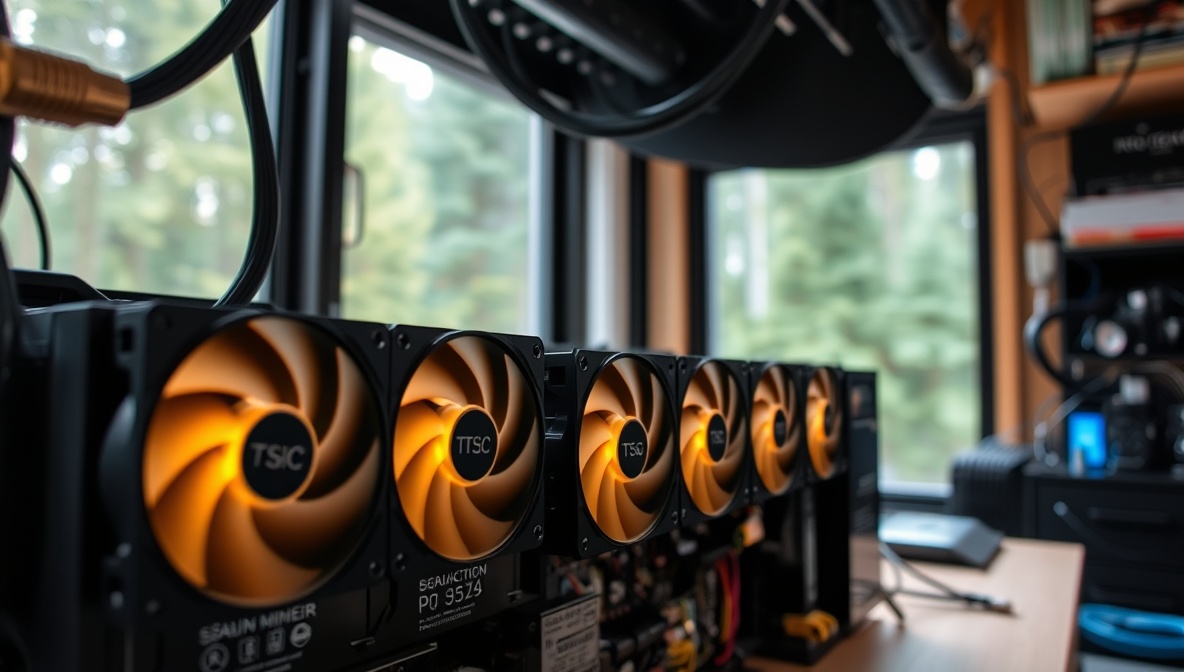
BC Hydro Rate Structure for Small Miners
BC Hydro's residential rate structure has two tiers. As of 2026, the Tier 1 rate applies to the first 1,350 kWh per two-month billing period — approximately $0.0943/kWh. Consumption above that threshold moves to Tier 2 at approximately $0.1408/kWh. For a small mining operation running a handful of ASIC units, total monthly power draw will likely exceed the Tier 1 threshold and move into Tier 2 territory for the mining component.
At $0.14/kWh, BC Hydro's residential Tier 2 rate is not as cheap as what industrial mining operations in Alberta or Texas pay — those operations often negotiate rates below $0.05/kWh at scale. But for a small independent operator, the comparison point isn't a 100-megawatt facility in Rockdale, Texas. The comparison is other Canadian provinces. On that basis, BC's hydroelectric grid and relatively stable rate structure hold up reasonably well.
Always confirm current electricity rates directly with BC Hydro. Rates are subject to regulatory change and the figures above are approximations based on published rate schedules. For a detailed cost breakdown of what running a small crypto mining facility actually costs, see the cost breakdown for a 300-unit mining facility and the crypto data center calculator.
For AI and GPU builds, our licensed Canadian AI data centre cost calculator compares BC Hydro against other provinces and estimates CapEx, energy cost and payback in one embeddable widget.
The SCR setup: Strategic Crypto Reserve's Comox Valley mining operation runs at approximately 4.8 TH/s — a single-digit number of consumer and prosumer ASIC units. It's a genuinely small operation, and it's described that way deliberately. The point isn't to pretend it's something larger. See Bitcoin Mining Vancouver Island for the full, honest picture of the setup, including what solo mining at this scale realistically means.