Back to Polygon Hub  Polygon 2.0 · AggLayer · Updated June 2026

Polygon 2.0 and the AggLayer Explained: What Changed in 2025

Polygon 2.0 is the name for a set of overlapping upgrades to the Polygon network that executed through 2024 and 2025. The changes were architectural: a new native token (POL replacing MATIC), a new ZK-proof technology stack, the launch of the AggLayer — a chain aggregation system designed to connect multiple Polygon chains — and a long-term roadmap targeting 100,000 transactions per second. If you've seen references to 'Polygon 2.0,' 'ZK-EVM,' or 'AggLayer' and aren't sure what any of them mean or how they affect NFTs and token holders, this page breaks it down plainly.

Polygon 2.0 and the AggLayer Explained: What Changed in 2025 — Strategic Crypto Reserve

Strategic Crypto Reserve

Polygon 2.0

The Four Pillars of Polygon 2.0

POL Token

MATIC was replaced by POL at a 1:1 ratio in late 2025. POL is designed to work across multiple Polygon chains — paying gas, staking, and voting on any chain in the Polygon ecosystem.

Multi-chain token

ZK Technology

Polygon zkEVM — the zero-knowledge proof version of the Ethereum Virtual Machine — is now live. ZK proofs allow Polygon chains to verify transactions on Ethereum without submitting every transaction to mainnet.

ZK-EVM live

AggLayer

The Aggregation Layer connects multiple Polygon chains so that assets (including NFTs and tokens) can move between them without traditional bridging. Think of it as a unified liquidity and messaging layer across Polygon chains.

Cross-chain native

Gigagas Roadmap

Polygon's long-term target is 100,000 TPS (transactions per second) through its Gigagas roadmap. Current Polygon PoS handles roughly 65 TPS. The Gigagas roadmap is a multi-year target, not yet achieved.

100,000 TPS target
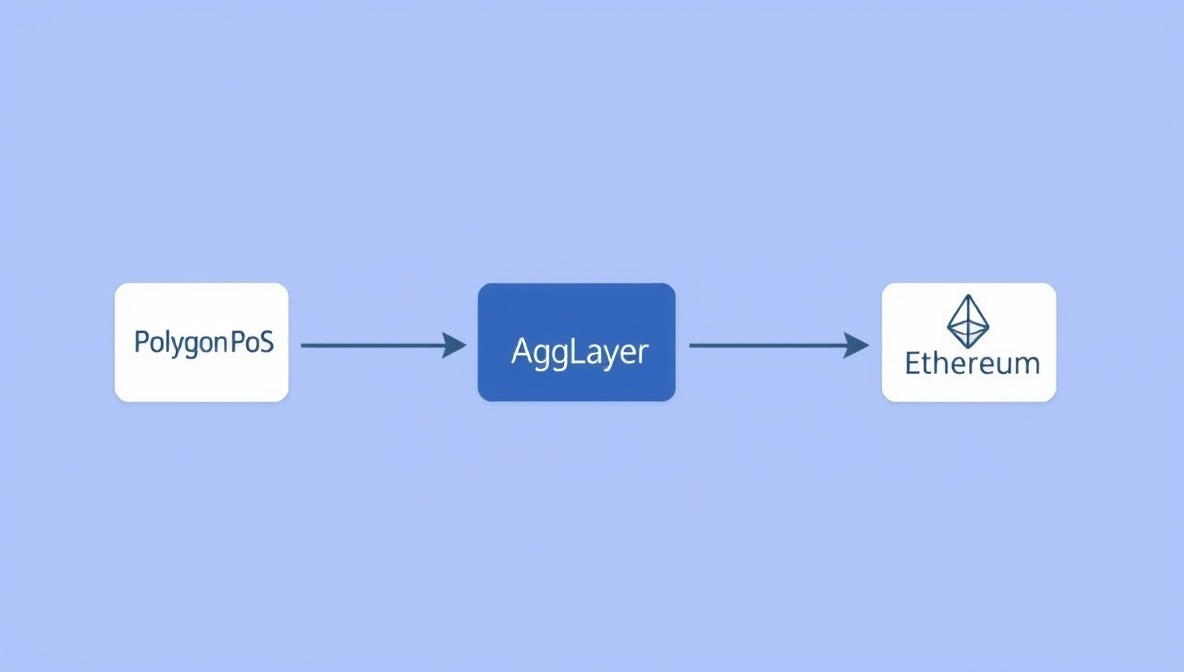
Polygon 2.0 architecture diagram — AggLayer, ZK chains, and POL token ecosystem

What Polygon 2.0 Means for NFT Creators

For NFT creators and collectors operating on Polygon PoS — the main chain where most NFTs live — the immediate practical impact of Polygon 2.0 is modest. Gas fees remain low. Wallets work the same way. Marketplaces updated to show POL instead of MATIC. The experience of minting, buying, and selling an NFT on Polygon PoS in 2026 is not dramatically different from 2024.

The longer-term impact is about liquidity and reach. The AggLayer, once more chains adopt it, should allow an NFT minted on Polygon PoS to be listed and traded on a Polygon zkEVM gaming chain or any other AggLayer-connected chain without bridging friction. For the NFT market, that means collections don't have to choose which Polygon chain to launch on — the AggLayer can in theory make them visible and tradeable across all of them.

The ZK technology also has authentication implications. Zero-knowledge proofs can verify ownership and transaction history without revealing underlying private data. For high-value NFTs and RWA tokens, ZK-backed provenance chains may become a standard for authentication in the same way that chain-of-custody records work for physical assets. That's speculative for now, but the infrastructure to support it is being built into Polygon 2.0.

For SCR specifically: Strategic Crypto Reserve's NFT collections are on Polygon PoS — the chain unaffected by the 2.0 upgrade in terms of day-to-day operation. The MATIC-to-POL migration ran automatically. If you hold SCR NFTs or tokens, nothing about your holdings changed. See the POL token guide for migration details, and the $SCR token page for how the SCR utility token works within the ecosystem.

Frequently Asked Questions

1. What is Polygon 2.0?

Polygon 2.0 is a multi-phase upgrade to the Polygon network that executed through 2024–2025. The key changes were: replacing the MATIC native token with POL, launching ZK-EVM technology, activating the AggLayer (a chain aggregation system), and setting a long-term 100,000 TPS target through the Gigagas roadmap.

2. What is the AggLayer on Polygon?

The AggLayer (Aggregation Layer) is a system that connects multiple Polygon chains so assets and messages can move between them without traditional bridging. It uses ZK proofs to verify cross-chain transactions at the Ethereum security level. Once widely adopted, it allows NFTs and tokens minted on one Polygon chain to be traded on others seamlessly.

3. Does Polygon 2.0 affect my existing NFTs on Polygon PoS?

No, not materially. Existing NFTs on Polygon PoS are unaffected. The MATIC-to-POL migration happened automatically for most users. Gas fees and marketplace operations continue as before. The AggLayer opens future possibilities for cross-chain NFT liquidity but doesn't retroactively change existing collections.

4. What is Polygon zkEVM?

Polygon zkEVM is a zero-knowledge proof-based version of the Ethereum Virtual Machine. It processes transactions on Polygon and submits cryptographic proofs to Ethereum mainnet rather than every individual transaction. This provides Ethereum-level security with Polygon-level speed and fees. It's a separate chain from Polygon PoS and is primarily used for DeFi and developer-focused applications.

Explore More: Return to the Polygon NFT & Token Hub for all ten guides, or browse SCR's Polygon NFT collections and learn how the $SCR token works.