
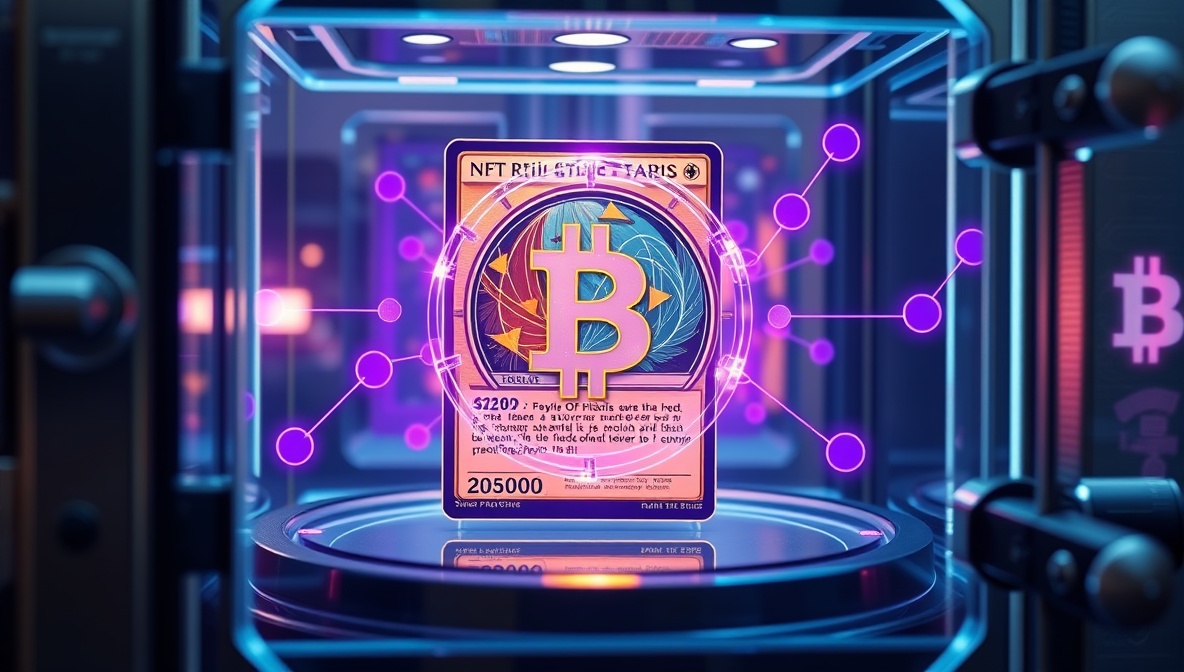
A real world asset NFT (RWA NFT) is a token on a blockchain that represents ownership of a physical item — a trading card, a gold bar, a piece of real estate, a graded collectible, or any tangible object that can be stored and verified. The NFT functions as the ownership record; the physical item is held in a custodial vault. When you buy the NFT, you own the item. When you "burn" the NFT (destroy it on-chain), you can redeem the physical object from the vault and have it shipped to you.
This is fundamentally different from the digital art NFT model of 2021–2022, where what you owned was purely a JPEG or a file. RWA NFTs have intrinsic value tied to a real, tangible object with an independent market — a PSA 10 graded Charizard card has a price whether or not it exists as an NFT. The NFT layer adds liquidity, fractional ownership potential, and instant global trading to assets that previously required physical storage, authentication, and slow secondary markets.
Courtyard
The leading RWA NFT platform on Polygon. Ranked #1 globally in weekly NFT sales volume in April 2026 — ahead of CryptoPunks and BAYC. Specializes in graded trading cards and collectibles stored in secure vaults.
#1 Global April 2026Market Size
The global on-chain RWA market crossed $26 billion in 2026 according to CleanSky's 2026 analysis. Polygon hosts the largest share of physical collectible RWA NFTs due to its low fees and established creator ecosystem.
$26B+ marketBurn-to-Redeem
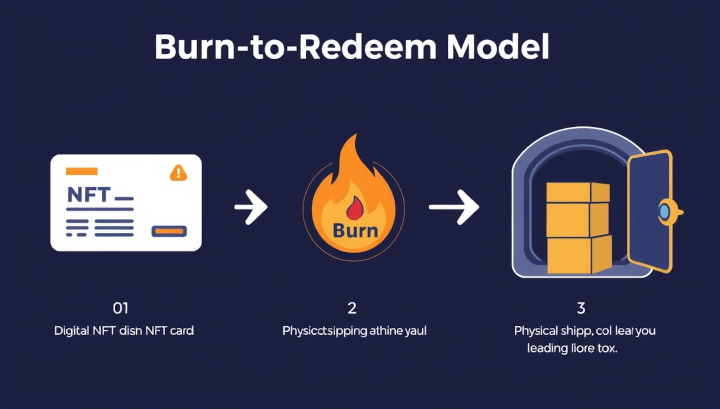
The burn-to-redeem model lets holders "burn" (destroy) their NFT on-chain to receive the physical item. The burned NFT is permanently removed from circulation, preventing double-spending of the physical asset.
Physical redemptionLow-Fee Advantage
Polygon's $0.0047 average gas fee makes it economically viable to tokenize items worth $20 as well as items worth $200,000. Ethereum's $4+ gas fees make low-value item tokenization uneconomical on mainnet.
$0.0047 gas avgWhy Polygon Leads RWA NFT Tokenization
The economics of RWA tokenization favor Polygon for one simple reason: gas fees. If you're tokenizing a $30 trading card on Ethereum mainnet and paying $4 in gas, 13% of the item's value disappears in transaction costs before you've made a single trade. On Polygon, that same transaction costs a fraction of a cent. For a market built on physical collectibles — where items range from a few dollars to tens of thousands — only a low-fee chain makes the model economically viable across the full price range.
Polygon also benefits from its Ethereum compatibility. RWA NFTs on Polygon use standard ERC-721 and ERC-1155 contracts, meaning they're visible and tradeable on any Polygon-compatible marketplace including OpenSea. The provenance trail — every transfer, every ownership change — is permanently recorded on an Ethereum-secured chain. For high-value physical assets, that chain-of-custody record has real authentication value.
The burn-to-redeem model pioneered by Courtyard is being adopted across the category: wine tokenization platforms, sports memorabilia markets, and luxury goods authentication projects are all studying and adapting the mechanism. The model solves the core RWA problem — preventing someone from selling the same physical item twice — without requiring trusted intermediaries beyond the vault custodian.
How this connects to SCR: Strategic Crypto Reserve's NFT collections on Polygon are parody utility tokens, not RWA NFTs — they don't represent physical assets in a vault. But the SCR project is built on the same Polygon infrastructure that powers the RWA sector, and the RWA page on this site covers the real-world asset tokenization concept in more detail. For a broader look at how NFTs are evolving, see what happened to NFTs.