
It's worth being precise here, because "AI NFT" is used loosely to describe two meaningfully different things. The first is AI-generated art NFTs: digital images created by tools like Midjourney or Stable Diffusion, then minted as NFTs. These are static images — the AI was involved in creation, but the resulting NFT is indistinguishable in structure from any other JPEG NFT. The artist's prompt and the output are fixed at the time of minting.
The second category — intelligent NFTs, or iNFTs — is genuinely new. An iNFT combines a standard NFT (an ERC-721 or ERC-1155 token on Polygon) with an embedded or linked AI model. The NFT doesn't represent a static image; it represents an ongoing AI entity that can respond to its holder, evolve based on interactions, or generate new content over time. The token on the blockchain is an ownership record for a dynamic AI agent rather than a fixed file.
AIGC Art NFTs
AI tools (Midjourney, DALL-E, Stable Diffusion) generate the artwork. The creator mints the result as a standard NFT. The AI's involvement is in creation only — the NFT is a static file. Most "AI NFTs" on Polygon fall in this category.
Static outputIntelligent NFTs (iNFTs)
The NFT is linked to an AI model that persists after minting. Holders can interact with the AI agent. The entity can evolve, respond, and generate new content. Ownership is on-chain; the AI behaviour is off-chain or hybrid.
Dynamic / evolvingAIGC Tooling
Platforms like MOOAR on Polygon offer built-in AI generation tools for NFT creators. Artists can generate, customize, and mint AI art without leaving the platform — lowering the barrier for AIGC NFT creation on Polygon.
Creator toolingMarket Share
Approximately 30% of new NFT projects in 2026 incorporate AI in some form, according to CoinLaw's 2026 market statistics. On Polygon, the low minting cost makes AI NFT experimentation more accessible than on other chains.
30% of new projects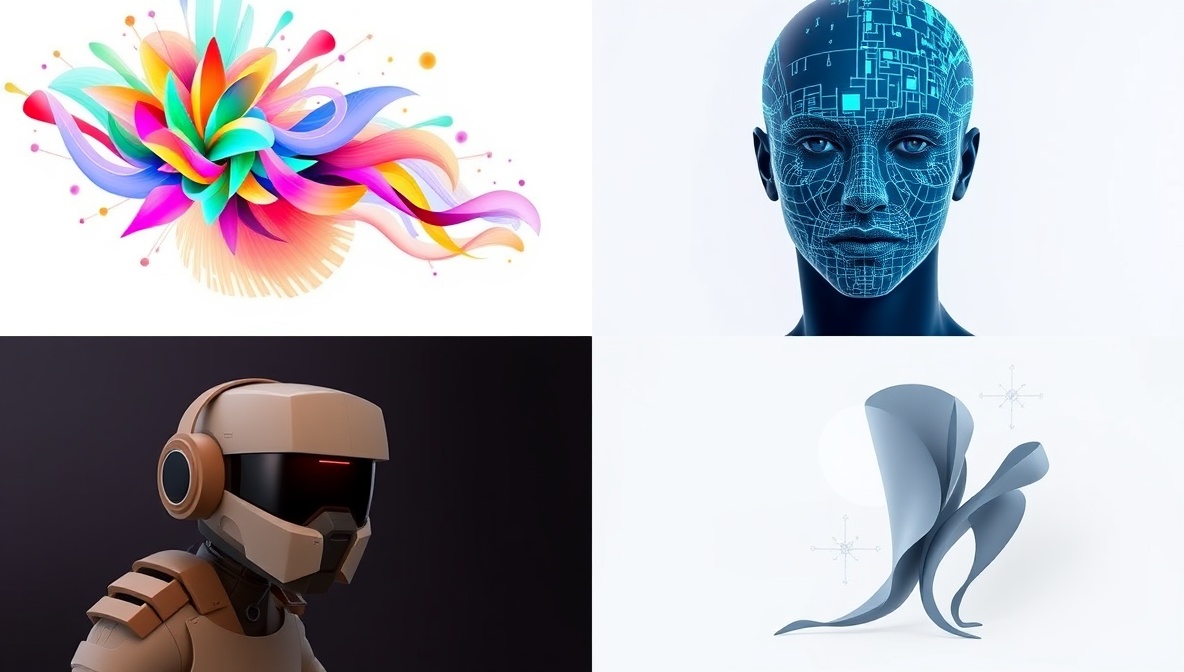
Why Polygon Is the Natural Home for AI NFT Experimentation
AI NFT projects require rapid iteration — testing different AI models, minting experimental collections, adjusting metadata, exploring new interactive mechanics. On Ethereum mainnet, every one of those test mints costs $4–50 in gas. On Polygon, the same experiment costs a fraction of a cent. That economic reality makes Polygon the default choice for AI NFT creators who need to move fast and test often.
The gaming ecosystem on Polygon — which saw 100% growth in activity according to DappRadar's industry reports — is also a natural fit for iNFTs. Games already use procedurally generated content; adding AI-driven NPC behaviour or evolving in-game items to on-chain tokens is a logical extension of mechanics that game developers understand. Planet IX and QORPO WORLD, two of the most active Polygon gaming projects in 2025–2026, have both explored AI-augmented asset mechanics.
Strategic Crypto Reserve's parody NFT collections are not AI NFTs — they're human-designed parody collections on Polygon PoS. But the infrastructure SCR uses is the same infrastructure that AI NFT projects operate on. The low fees, ERC-721/1155 standard, and OpenSea compatibility that make SCR NFTs work are the same foundation that makes Polygon the leading chain for AI NFT experimentation. See what a parody NFT is if you want to understand how SCR's collections work by contrast.
Practical note for creators: If you're building an AI NFT project on Polygon, the key infrastructure decisions are: (1) whether the AI component is on-chain (expensive, permanent) or off-chain (flexible, updatable), (2) which standard to use — ERC-721 for unique one-of-one iNFTs or ERC-1155 for editions, and (3) how metadata updates will work over time. The free minting guide covers the practical steps for getting any NFT collection onto Polygon.