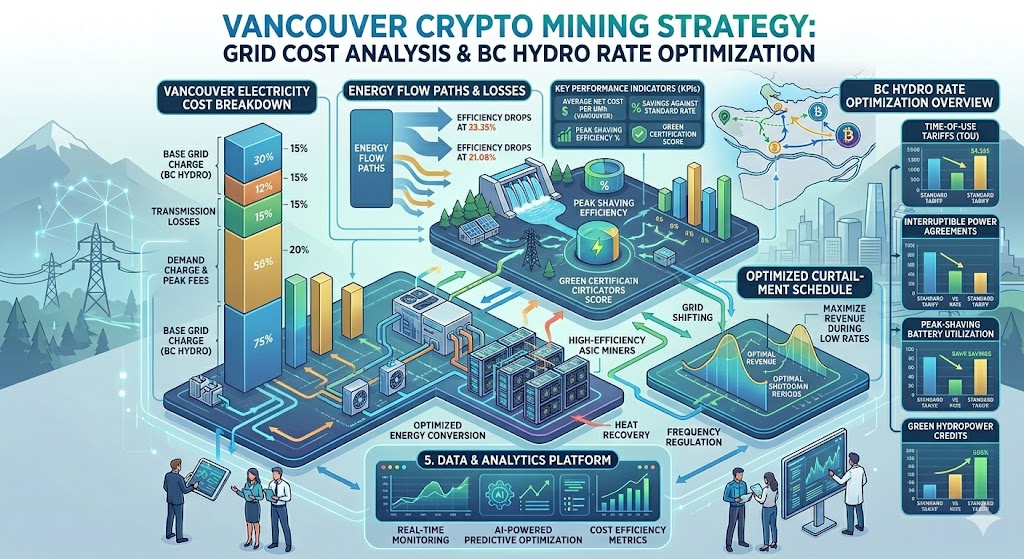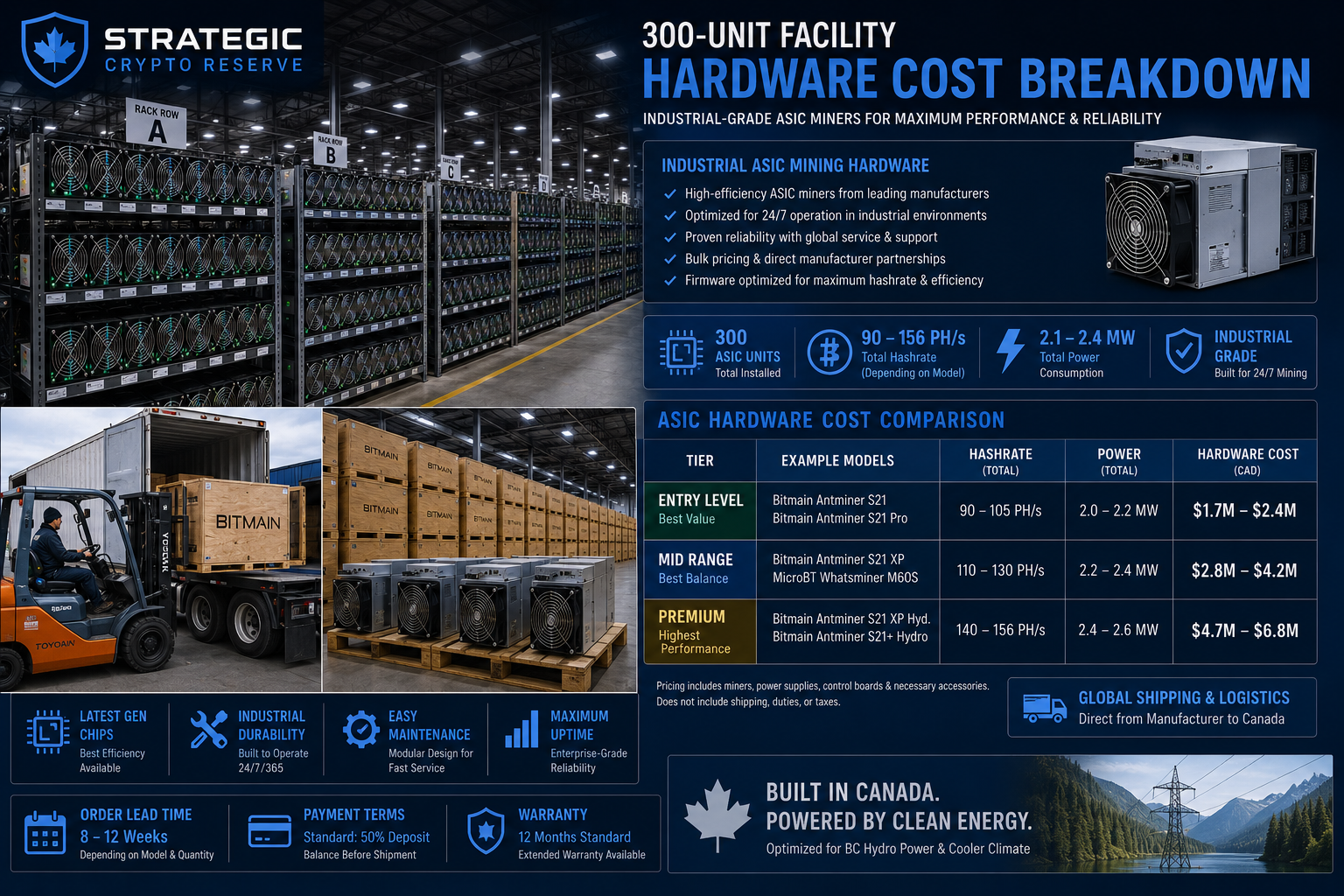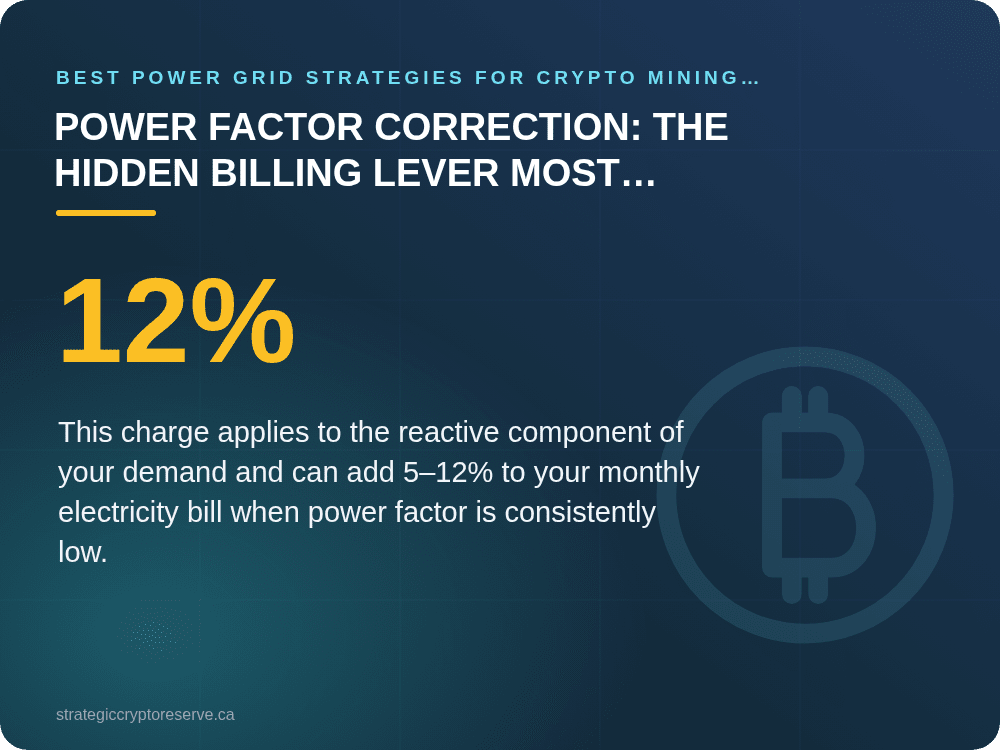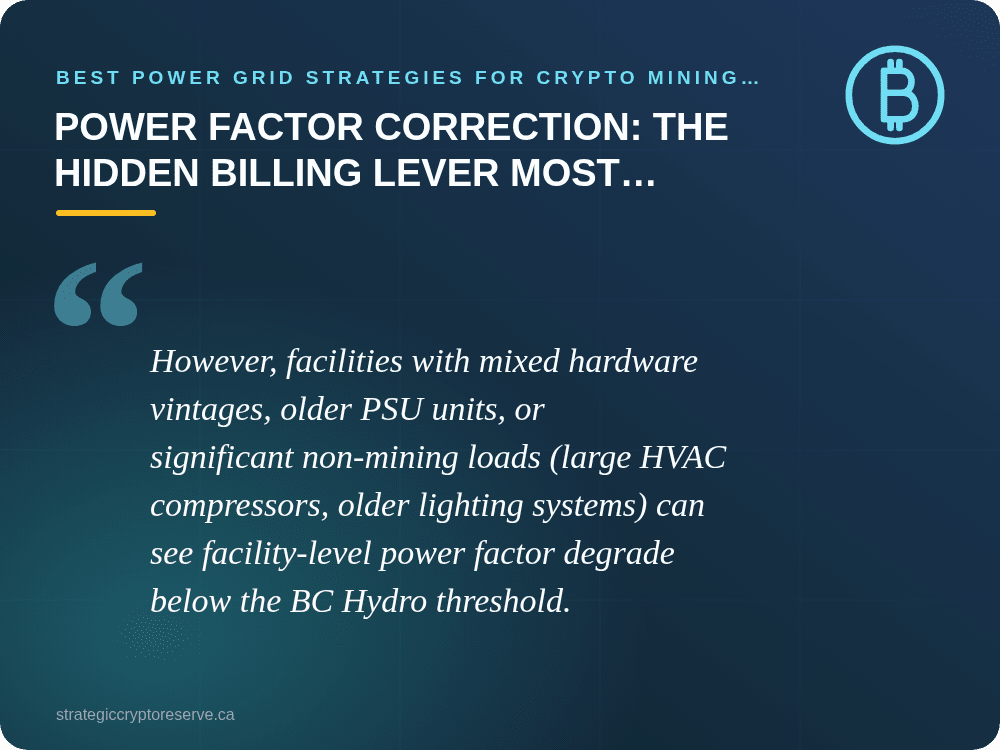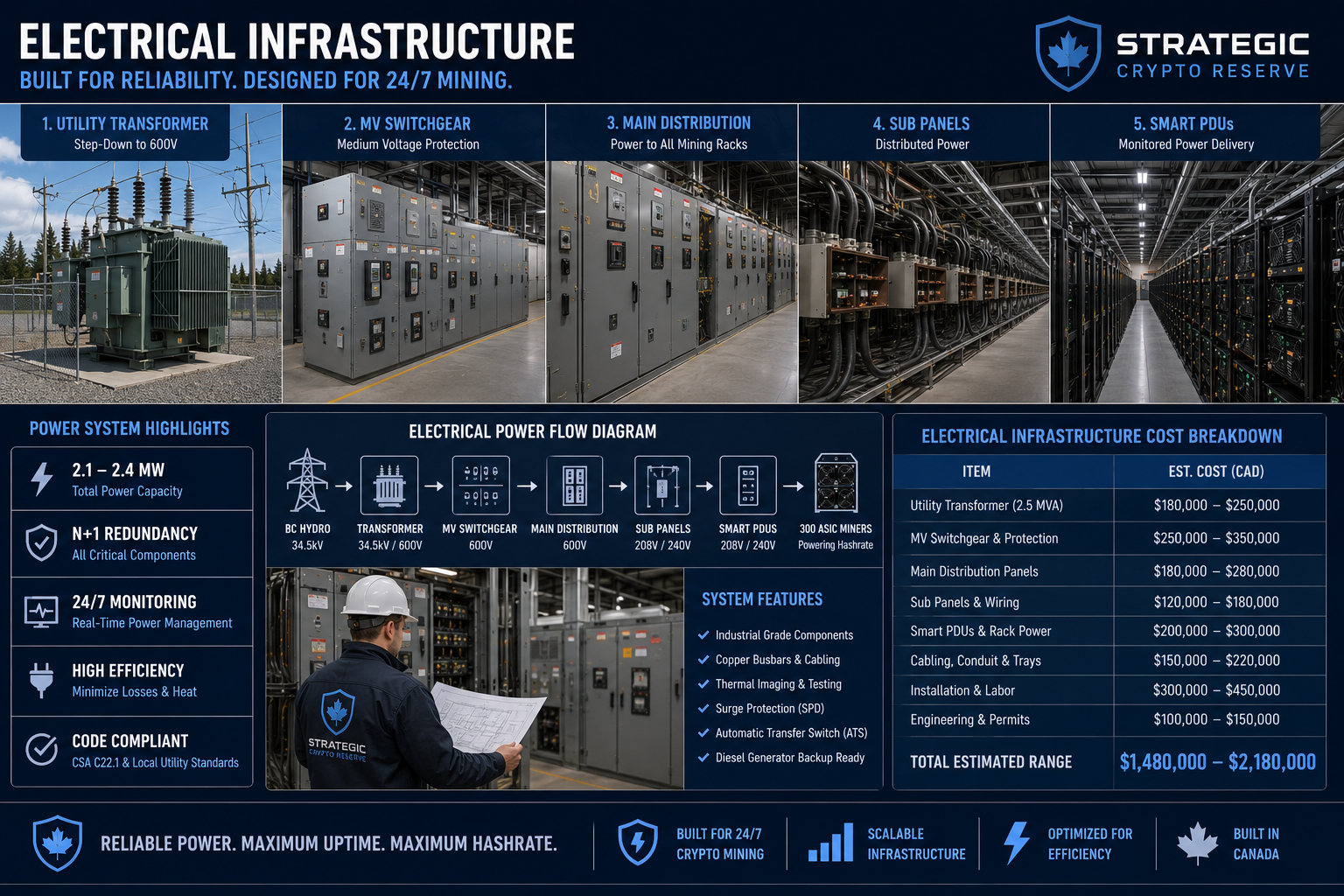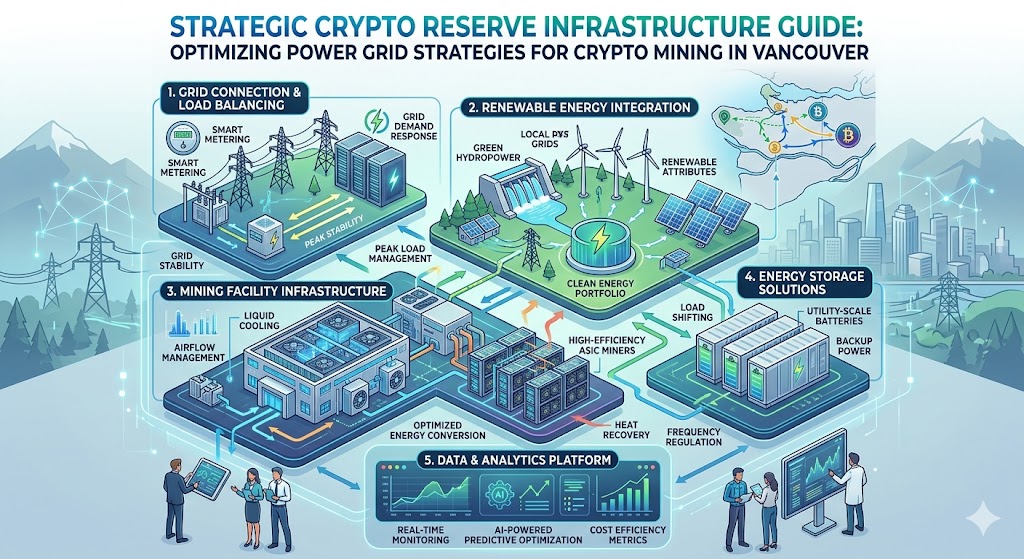
Of all the operational variables a crypto mining business in Vancouver can control, none has a greater impact on long-term profitability than power grid strategy. Hardware is a one-time capital expenditure. Electricity is a permanent obligation that recurs every single day. For a commercial-scale mining operation, electricity represents 55–70% of total monthly operating expenditure — which means that a 15% reduction in power costs is more valuable than almost any hardware upgrade or operational efficiency improvement you could make elsewhere.
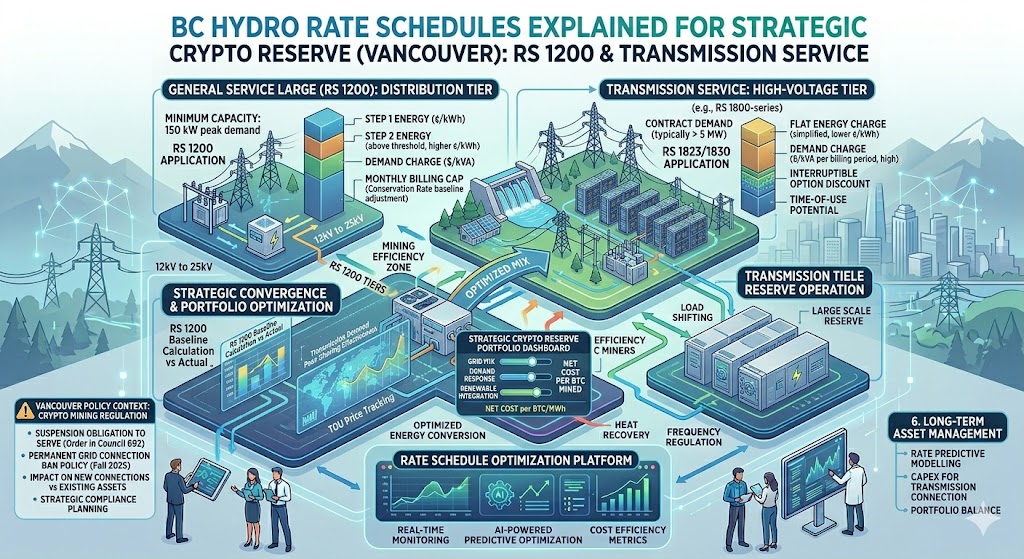
Vancouver and the broader British Columbia grid present a genuinely unique environment for crypto mining operators. BC Hydro's hydroelectric generation base produces electricity at among the most competitive industrial rates in Canada — but only for operators who correctly navigate the utility's rate schedule structure, demand charge framework, and service application process. Operators who default to standard commercial rates, fail to qualify for industrial tariffs, or run poor-quality power infrastructure leave thousands of dollars per month in savings on the table — permanently.
The stakes are even higher when you consider that power grid decisions are not easily reversible. Your service entrance rating, transformer capacity, distribution panel sizing, and UPS infrastructure are built into the physical facility. Getting these decisions right before construction begins determines your operating cost floor for the entire life of the operation. This is why power grid strategy must be the first planning discipline, not an afterthought addressed after hardware is ordered and a facility lease is signed.
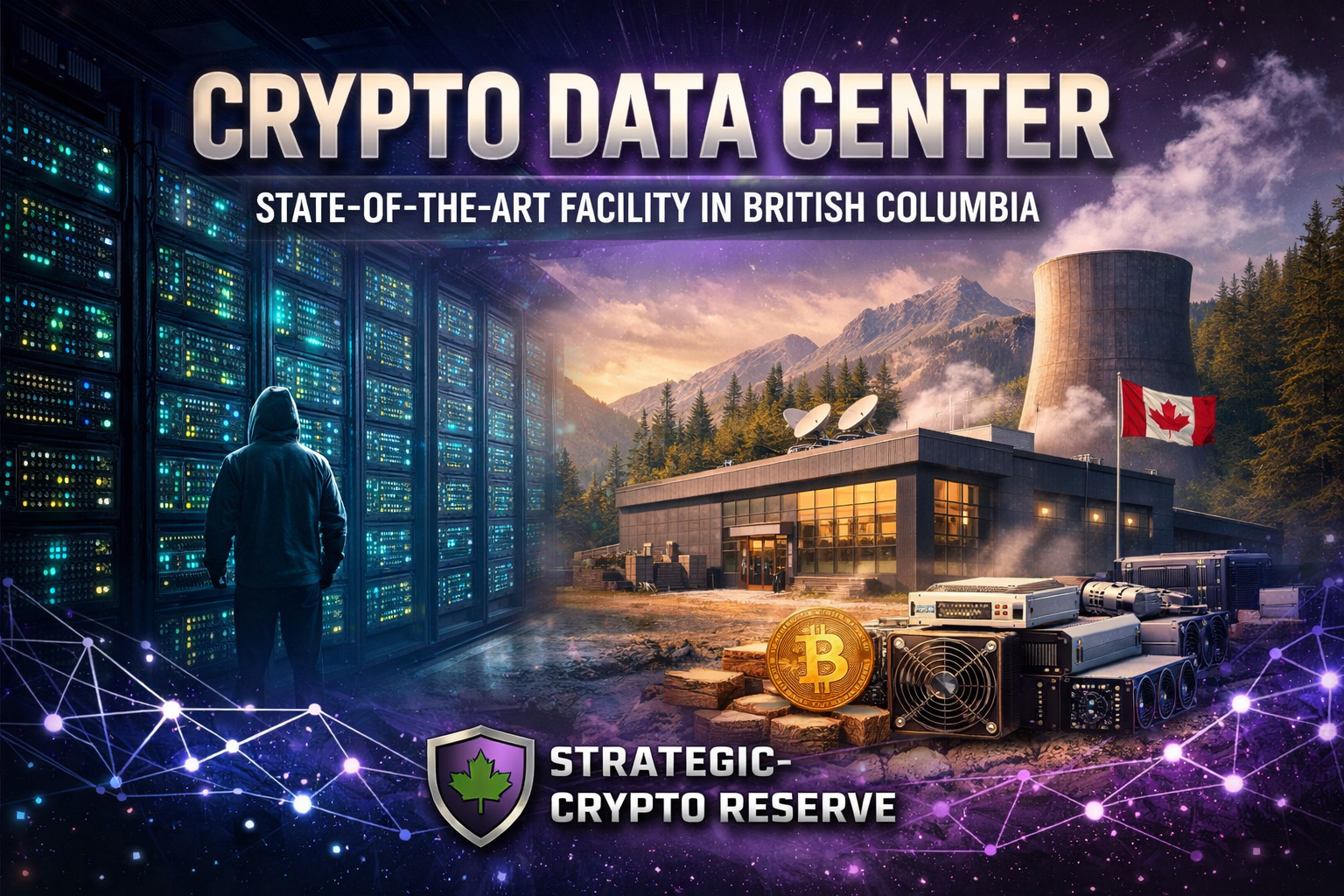
Strategic Crypto Reserve has operated blockchain infrastructure and a crypto data center in British Columbia through multiple market cycles, and the power grid lessons from that operational experience form the backbone of every recommendation in this guide.
Weighing power strategy for an AI or GPU facility? Our licensed AI data centre build configurator turns provincial electricity rates into CapEx, operating cost and payback estimates before you commit capital.